Performed by Dr. Hari Prakash at Dr Hariprakash
Arthroscopic shoulder surgery in Hyderabad is a minimally invasive procedure that uses a small camera and specialized instruments to diagnose and treat various shoulder conditions including rotator cuff tears, shoulder impingement, labral tears, and frozen shoulder. This advanced technique results in smaller incisions, reduced pain, faster healing, and quicker return to daily activities compared to traditional open surgery. Dr Hariprakash, an experienced orthopedic surgeon, specializes in shoulder arthroscopy with a focus on precision and patient-centered care.
We believe in honest, upfront disclosure so you can make an informed decision.
A step-by-step look at what happens during this procedure.
The patient receives either general anaesthesia or a regional nerve block to ensure complete comfort during the procedure. The shoulder area is positioned and sterilized for optimal surgical access.
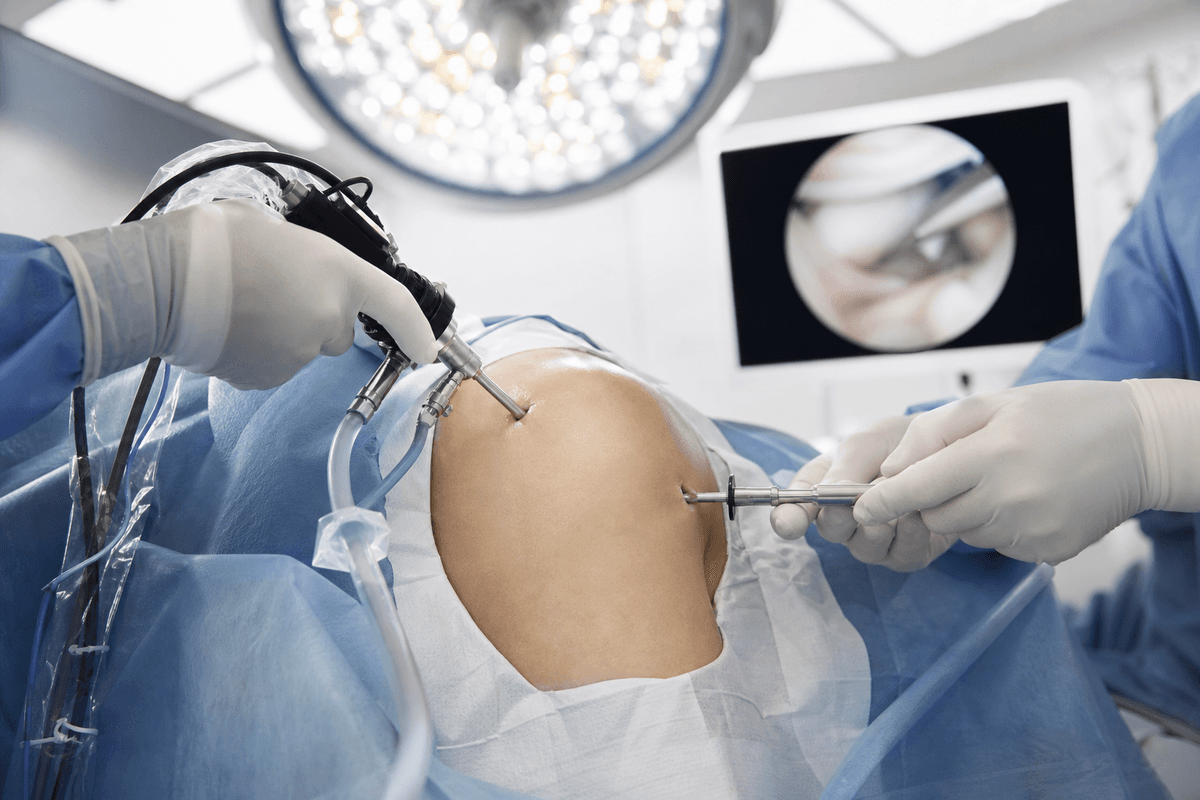
Small incisions (portals) are made around the shoulder joint. A thin arthroscope with a camera is inserted through one portal, projecting high-definition images of the shoulder's internal structures onto a monitor.
The surgeon examines the entire shoulder joint including the rotator cuff, labrum, biceps tendon, cartilage, and bursa to identify all areas of damage or pathology requiring treatment.
Specialized instruments are inserted through additional portals to perform the necessary repairs such as removing inflamed tissue, repairing torn rotator cuff tendons, stabilizing labral tears, or removing bone spurs causing impingement.
Instruments are removed, portals are closed with sutures or surgical tape, and sterile dressings are applied. The shoulder may be placed in a supportive sling to protect the repair during initial healing.
A structured, patient-first approach from first consultation to full recovery.
Dr Hariprakash conducts thorough clinical examination, reviews imaging studies including MRI and X-rays, and discusses treatment goals to create a personalized surgical plan tailored to each patient's specific shoulder condition.
Using state-of-the-art arthroscopic equipment and high-definition visualization, Dr Hariprakash performs precise repairs with minimal tissue trauma, ensuring optimal healing and functional outcomes for shoulder function restoration.
Dr Hariprakash designs individualized post-operative physiotherapy programs focusing on progressive range of motion exercises, strengthening protocols, and functional training to restore shoulder strength and mobility safely.
Regular follow-up appointments are scheduled to monitor healing progress, adjust rehabilitation protocols as needed, and ensure patients achieve their recovery milestones with ongoing support throughout the entire recovery journey.
What to expect at each stage of your recovery journey.
The shoulder is protected in a sling with focus on pain management, wound care, and gentle pendulum exercises. Ice application and prescribed medications help control swelling and discomfort during this initial healing phase.
Gradual introduction of passive and active-assisted range of motion exercises under physiotherapy guidance. The sling is progressively weaned based on healing progress and the type of repair performed.
Progressive strengthening exercises, functional training, and sport-specific rehabilitation are introduced. Patients gradually return to work, daily activities, and eventually sports with full shoulder function typically restored by 4-6 months.
Most patients experience substantial reduction in shoulder pain with over 90% reporting improved comfort levels during daily activities and sleep within 3-6 months after surgery.
Shoulder mobility and flexibility improve progressively through rehabilitation, allowing patients to regain overhead reaching, rotation, and functional movements necessary for work and recreational activities.
Repairs to labral tears and capsular structures restore joint stability, reducing or eliminating episodes of shoulder subluxation or dislocation and improving confidence during physical activities.
Successful arthroscopic surgery enables return to sports, work activities, and daily tasks without limitations, significantly enhancing overall quality of life and patient satisfaction with shoulder function.
Let's clear up some of the most common myths about arthroscopic surgeries - shoulder.
Get a personalised assessment from an experienced specialist. Understand your options, ask your questions, and decide with confidence.