Performed by Dr. Hari Prakash at Dr Hariprakash
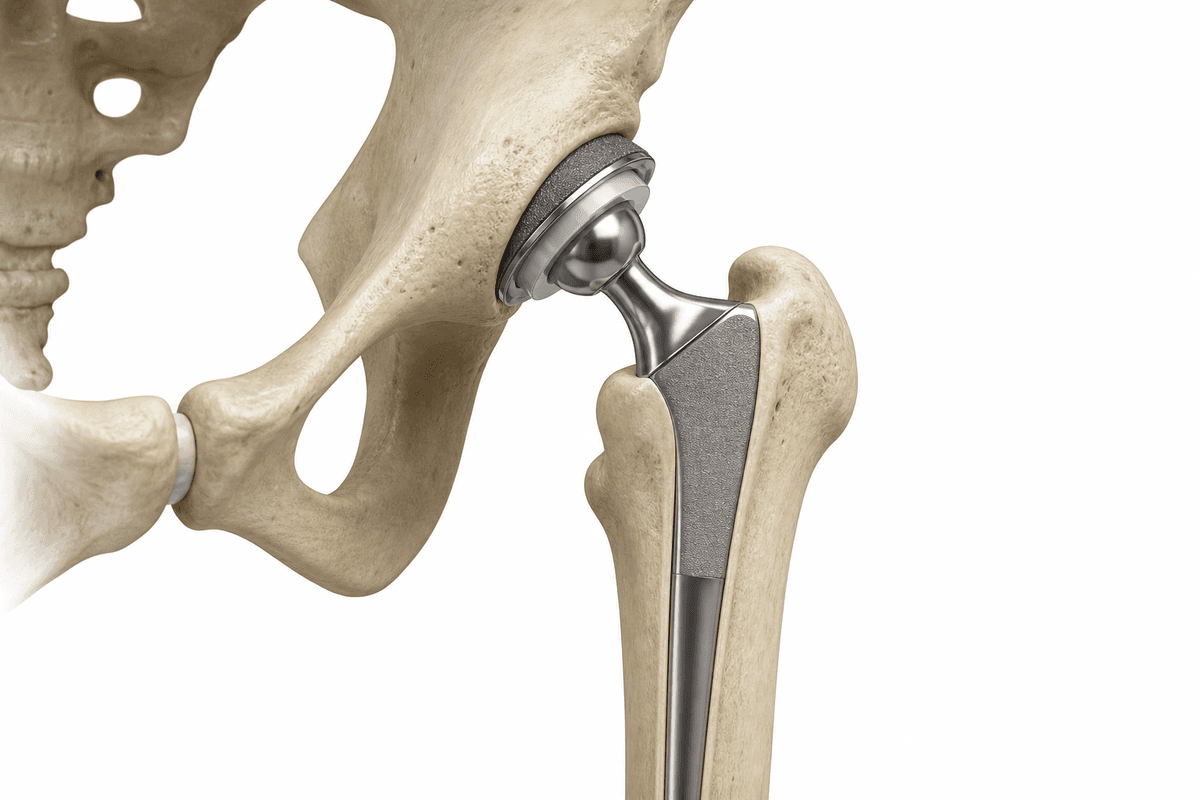
Total Hip Replacement in Hyderabad is a surgical procedure that replaces damaged hip joint components with artificial implants to restore mobility and eliminate chronic pain. This procedure is ideal for patients suffering from severe arthritis, hip fractures, or degenerative joint disease that hasn't responded to conservative treatments. Dr Hariprakash specializes in advanced hip replacement techniques, offering personalized care and comprehensive rehabilitation support.
We believe in honest, upfront disclosure so you can make an informed decision.
A step-by-step look at what happens during this procedure.
The patient receives general or spinal anesthesia to ensure complete comfort throughout the procedure.
A carefully planned incision is made over the hip joint to access the damaged bone and cartilage.
The damaged femoral head and acetabulum are removed using precision surgical instruments.
Artificial components made of metal, ceramic, or polyethylene are precisely positioned to recreate the natural hip joint.
The incision is closed with sutures, and the patient is moved to recovery for monitoring and initial rehabilitation.
A structured, patient-first approach from first consultation to full recovery.
Dr Hariprakash conducts thorough evaluations including detailed imaging, medical history review, and customized surgical planning to ensure optimal outcomes for each patient.
Utilizing minimally invasive approaches when appropriate, Dr Hariprakash employs state-of-the-art implants and precise surgical methods to minimize tissue damage and accelerate recovery.
A multimodal pain control protocol is implemented, combining nerve blocks, medications, and advanced techniques to ensure patient comfort throughout recovery.
Dr Hariprakash provides individualized physical therapy protocols and regular follow-up assessments to monitor progress and ensure complete functional restoration.
What to expect at each stage of your recovery journey.
The first 1-2 weeks focus on wound healing, pain management, and beginning gentle physiotherapy. Patients use walking aids and follow hip precautions to prevent dislocation while gradually increasing mobility under supervision.
Weeks 3-8 involve progressive strengthening exercises, improved range of motion, and transitioning from walking aids to independent ambulation. Patients work closely with physiotherapists to rebuild muscle strength and restore normal gait patterns.
Months 3-6 mark the return to normal activities, with continued exercises to optimize joint function. Most patients achieve pain-free mobility, resume daily routines, and experience significant improvement in quality of life with the new hip joint.
Over 95% of patients experience complete or near-complete elimination of chronic hip pain, allowing them to sleep better and engage in activities previously limited by discomfort.
Patients regain the ability to walk, climb stairs, and perform daily activities without limitations, with most returning to recreational activities and improved overall independence.
The procedure significantly improves physical function, mental well-being, and social engagement, with patients reporting greater satisfaction in daily living and renewed confidence.
Modern hip implants demonstrate excellent durability, with over 90% lasting 15-20 years or more, providing sustained benefits and reducing the likelihood of revision surgery.
Let's clear up some of the most common myths about total hip replacement.
Get a personalised assessment from an experienced specialist. Understand your options, ask your questions, and decide with confidence.