Treated by Dr. Hari Prakash at Dr Hariprakash
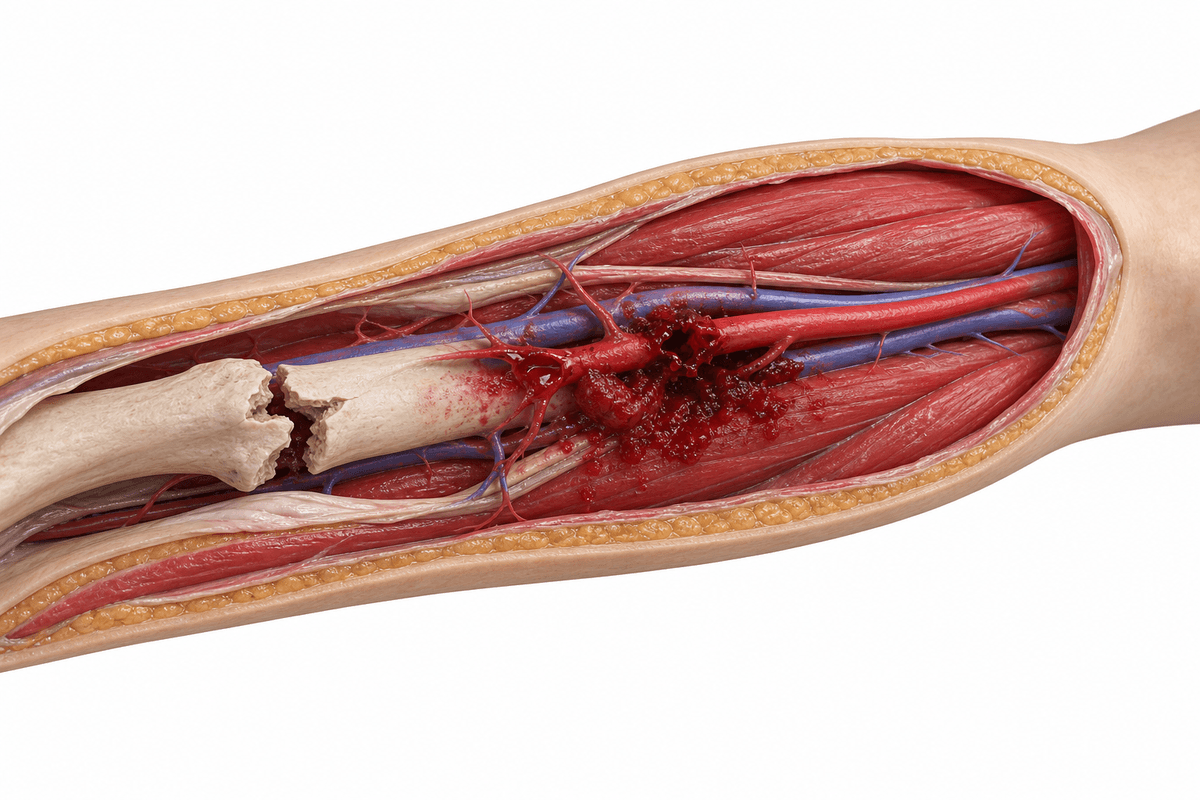
Vascular injuries in Hyderabad involve damage to arteries, veins, or blood vessels often resulting from trauma, fractures, or penetrating wounds that compromise blood flow to limbs and tissues. These emergencies require immediate surgical intervention to prevent permanent tissue damage, limb loss, or life-threatening complications. Dr Hariprakash provides comprehensive vascular injury management with advanced microsurgical techniques and trauma care protocols.
Damage to major arteries causing severe bleeding and compromised blood supply to distal tissues. Common in high-energy trauma, fractures, and penetrating injuries requiring immediate vascular repair to prevent limb ischemia and tissue necrosis.
Trauma to major veins resulting in hemorrhage, venous thrombosis, and impaired blood return from extremities. Often occurs alongside arterial damage in complex trauma cases requiring careful reconstruction to restore normal circulation patterns.
Simultaneous damage to blood vessels and peripheral nerves, frequently seen in severe fractures and dislocations. Requires coordinated microsurgical repair of both vascular and neural structures to optimize functional recovery and limb salvage outcomes.
Multiple factors can contribute to the development and progression of this condition.
Vascular Injuries develops gradually. Recognising symptoms early gives you more treatment options.
From conservative to surgical — we always start with the least invasive option first.
A structured, patient-first approach from first visit to full recovery.
Dr Hariprakash performs immediate neurovascular examination, controls active hemorrhage with targeted compression, and orders urgent imaging studies including Doppler ultrasound or CT angiography to precisely map the vascular injury extent and plan definitive surgical intervention.
Dr Hariprakash collaborates with vascular surgeons and anesthesiologists to develop a comprehensive surgical strategy addressing vascular repair, skeletal stabilization, and soft tissue management, ensuring optimal sequencing of procedures for maximum limb salvage and functional recovery.
Dr Hariprakash performs meticulous vascular reconstruction using microsurgical techniques including vessel debridement, primary anastomosis or vein grafting, and prophylactic fasciotomy when indicated, followed by fracture stabilization and careful assessment of distal perfusion and compartment pressures.
Dr Hariprakash implements comprehensive surveillance protocols with hourly neurovascular checks, serial Doppler assessments, and compartment pressure monitoring, ensuring early detection of graft thrombosis or compartment syndrome with immediate surgical revision if needed to preserve limb viability.
What to expect at each phase of recovery.
Intensive monitoring for graft patency, compartment syndrome, and infection with serial vascular examinations, Doppler studies, and wound care. Anticoagulation or antiplatelet therapy initiated per protocol with gradual transition from bedrest to protected limb positioning and early gentle range of motion exercises.
Progressive physical therapy focusing on joint mobilization, muscle strengthening, and functional activities with gradual weight-bearing progression. Occupational therapy for upper extremity injuries addresses fine motor skills and activities of daily living while monitoring for delayed complications like stenosis or aneurysm formation.
Continued functional improvement with advanced strengthening exercises, return to vocational activities, and periodic vascular surveillance imaging. Nerve recovery monitored for combined neurovascular injuries with potential for secondary reconstructive procedures addressing residual deformities, contractures, or functional deficits.
Over 85-90% limb preservation rate with timely vascular repair, restoration of adequate blood flow, and prevention of major tissue loss, enabling patients to maintain functional independence and return to most daily activities with appropriate rehabilitation.
Variable functional outcomes depending on injury severity, with isolated arterial injuries achieving excellent results while combined neurovascular trauma requiring prolonged recovery. Most patients regain significant motor and sensory function with dedicated therapy protocols.
Long-term graft patency rates exceeding 80-85% at five years with appropriate antiplatelet therapy and surveillance imaging. Early graft failure managed with revision surgery or endovascular interventions to maintain distal perfusion and prevent limb loss.
Majority of patients with successfully repaired vascular injuries return to employment and recreational activities with adaptive strategies. Those with permanent neurological deficits benefit from assistive devices and modifications enabling productive, independent lifestyles despite residual impairments.
Untreated vascular injuries progress rapidly to irreversible tissue ischemia, muscle necrosis, and limb loss within 6-8 hours of complete arterial occlusion. Delayed treatment results in permanent nerve damage, chronic pain syndromes, infection, and potential systemic complications including rhabdomyolysis, renal failure, and death from hemorrhagic shock or sepsis.
Seek immediate emergency care for any trauma involving severe bleeding, absent pulses, pale or cool extremities, or loss of sensation or movement in a limb. Any open wound near major blood vessels, expanding hematomas, or fractures with neurovascular compromise require urgent evaluation within minutes to hours to prevent irreversible tissue damage and limb loss.
Early treatment means more options and better outcomes. Book a consultation to understand your condition and explore the right path forward.