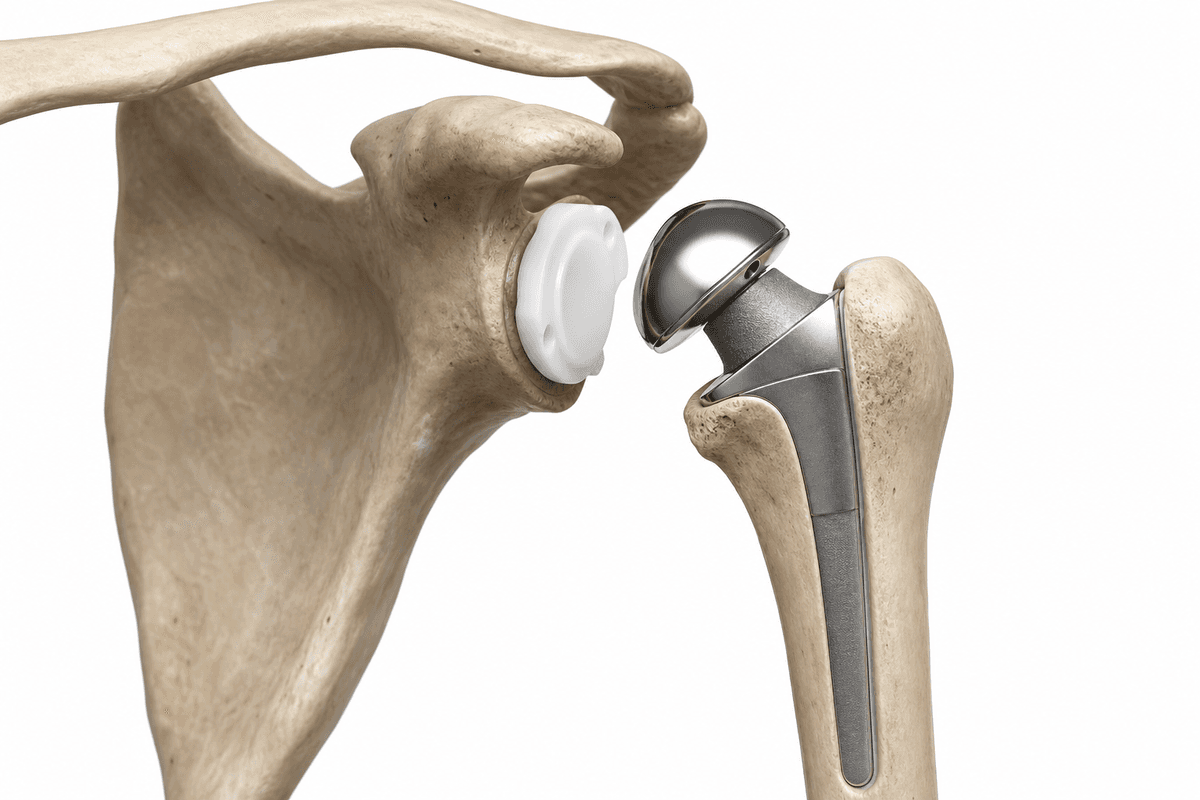
Performed by Dr. Hari Prakash at Dr Hariprakash
Shoulder Replacement in Hyderabad is an advanced surgical procedure that replaces damaged shoulder joint components with prosthetic implants to restore function and eliminate chronic pain. This surgery is ideal for patients with severe osteoarthritis, rheumatoid arthritis, rotator cuff tear arthropathy, or complex fractures that haven't responded to conservative treatments. Dr Hariprakash specializes in both total and reverse shoulder replacement techniques, utilizing minimally invasive approaches and state-of-the-art implants to ensure optimal outcomes for patients seeking lasting relief from debilitating shoulder conditions.
We believe in honest, upfront disclosure so you can make an informed decision.
A step-by-step look at what happens during this procedure.
General anesthesia is administered to ensure complete comfort throughout the procedure, and the patient is positioned to provide optimal surgical access to the shoulder joint.
A carefully planned incision is made over the shoulder joint, typically along the front or top of the shoulder, allowing the surgeon to access the damaged joint structures while minimizing soft tissue disruption.
The damaged humeral head is removed and the glenoid socket is prepared by removing arthritic bone and cartilage, creating smooth surfaces for the prosthetic components to be securely fitted.
High-quality prosthetic components are precisely positioned and secured, either as an anatomic replacement or reverse configuration depending on the patient's specific condition and rotator cuff integrity.
The incision is meticulously closed in layers, a sterile dressing is applied, and the arm is placed in a supportive sling before the patient is transferred to recovery for monitoring.
A structured, patient-first approach from first consultation to full recovery.
Dr Hariprakash conducts thorough clinical examinations, reviews imaging studies including X-rays and MRI scans, and develops a personalized surgical plan tailored to each patient's anatomy and specific shoulder pathology.
Using state-of-the-art implants and minimally invasive approaches, Dr Hariprakash performs precise joint replacement with meticulous attention to component positioning, soft tissue balancing, and preservation of healthy structures.
A customized physical therapy program is initiated immediately post-surgery, with Dr Hariprakash closely monitoring progress through regular follow-ups to ensure optimal healing and functional restoration.
Dr Hariprakash provides comprehensive post-operative care including periodic imaging assessments, functional evaluations, and guidance on activity modifications to maximize implant longevity and patient satisfaction.
What to expect at each stage of your recovery journey.
The first 2-3 days involve hospital monitoring, pain management, and gentle pendulum exercises. The arm remains in a sling for protection, and patients receive guidance on proper positioning, wound care, and early mobility exercises to prevent stiffness and complications.
Weeks 2-6 focus on gradual range of motion exercises under physical therapy supervision. Passive movements progress to assisted-active exercises while maintaining sling support. Pain typically decreases significantly, and patients begin regaining functional independence for basic daily activities.
Months 3-6 involve progressive strengthening exercises, restoration of full range of motion, and gradual return to normal activities. Most patients achieve substantial pain relief and functional improvement, with continued gains in strength and endurance through dedicated rehabilitation efforts.
Over 95% of patients experience significant or complete elimination of chronic shoulder pain, allowing them to sleep comfortably, perform daily activities without discomfort, and enjoy improved quality of life.
Most patients regain substantial range of motion and strength, enabling them to reach overhead, perform self-care tasks, and participate in recreational activities that were previously impossible due to joint deterioration.
Patients report marked improvements in emotional well-being, social participation, and overall life satisfaction as chronic pain and disability are replaced with restored mobility and independence.
Modern shoulder replacement implants demonstrate excellent longevity, with studies showing 90-95% of prostheses remain functional and well-fixed at 10-15 years, providing durable long-term solutions for shoulder arthritis.
Let's clear up some of the most common myths about shoulder replacement.
Get a personalised assessment from an experienced specialist. Understand your options, ask your questions, and decide with confidence.