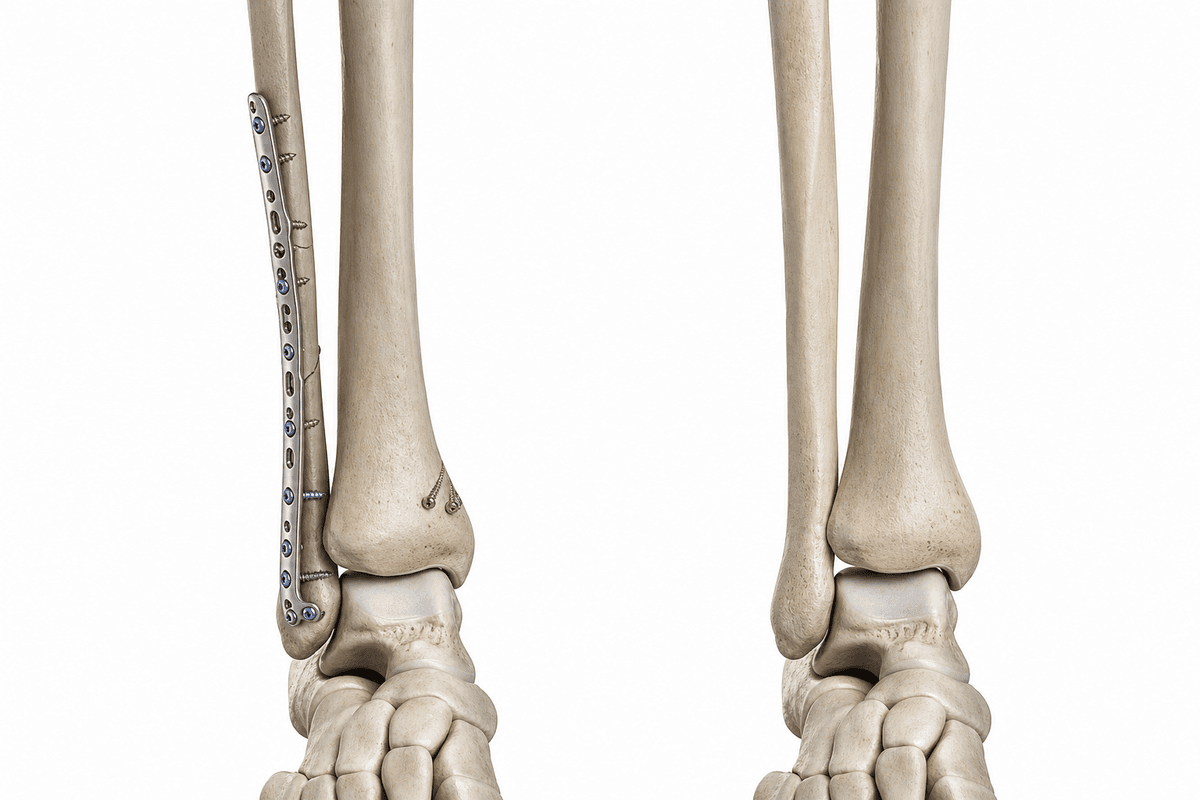
Performed by Dr. Hari Prakash at Dr Hariprakash
Deformity Corrections in Hyderabad address skeletal abnormalities affecting limbs, spine, and joints through advanced orthopedic surgical techniques. These procedures restore proper alignment, improve function, and enhance quality of life for patients with congenital, developmental, or acquired deformities. Dr Hariprakash specializes in comprehensive deformity correction using state-of-the-art methods tailored to each patient's unique condition.
We believe in honest, upfront disclosure so you can make an informed decision.
A step-by-step look at what happens during this procedure.
Comprehensive evaluation including detailed imaging, physical examination, and biomechanical analysis to determine the exact nature and extent of the deformity. Treatment planning involves computer-assisted planning in complex cases.
Precise surgical incision is made to access the affected bone or joint. Soft tissues are carefully protected and retracted to provide optimal visualization while minimizing damage to surrounding structures.
The bone is cut (osteotomy) at predetermined locations and realigned to correct angular, rotational, or length discrepancies. Advanced techniques like gradual correction with external fixators or acute correction with internal fixation may be employed.
Specialized implants such as plates, screws, rods, or external fixation devices are applied to maintain the corrected alignment. The fixation method is chosen based on deformity type, bone quality, and patient factors.
Surgical wounds are meticulously closed in layers. Post-operative dressings, splints, or casts are applied. The patient is monitored in recovery and begins the rehabilitation protocol once medically stable.
A structured, patient-first approach from first consultation to full recovery.
Dr Hariprakash conducts thorough clinical and radiological assessment using advanced 3D imaging and computer-assisted planning to design the optimal correction strategy for each patient's unique deformity.
Utilizing minimally invasive approaches when appropriate, Dr Hariprakash performs precise osteotomies and applies state-of-the-art fixation devices to achieve accurate anatomical alignment while preserving surrounding tissues.
A multimodal pain control protocol is implemented including regional blocks, controlled analgesia, and anti-inflammatory medications to ensure patient comfort throughout the recovery process.
Dr Hariprakash designs individualized physiotherapy protocols with regular follow-up assessments, progressive weight-bearing schedules, and bone healing monitoring to optimize functional outcomes and prevent complications.
What to expect at each stage of your recovery journey.
First 2 weeks involve wound healing, pain management, and protected mobility. Patients use assistive devices and follow strict weight-bearing restrictions. Regular wound care and elevation help reduce swelling.
Weeks 2-12 focus on gentle range-of-motion exercises, progressive strengthening, and gradual increase in activity. Serial X-rays monitor bone healing progress and guide advancement of the rehabilitation protocol.
Months 3-6 involve intensive physiotherapy to restore full strength, flexibility, and functional capabilities. Patients gradually return to normal activities with continued monitoring until complete bone remodeling is achieved.
Successful correction restores proper skeletal alignment, eliminating biomechanical abnormalities and improving joint function. Patients experience enhanced mobility, reduced compensatory strain, and better overall limb mechanics.
Correcting deformities addresses the underlying cause of pain related to abnormal loading and joint stress. Most patients report significant pain reduction and substantial improvement in daily activities and quality of life.
Deformity correction improves the visual appearance of affected limbs or spine, addressing cosmetic concerns that often accompany skeletal abnormalities. This contributes to improved self-confidence and psychological well-being.
Early correction prevents development of secondary complications such as premature arthritis, chronic pain syndromes, and progressive deformity. Proper alignment distributes forces evenly, protecting joints and surrounding structures.
Let's clear up some of the most common myths about deformity corrections.
Get a personalised assessment from an experienced specialist. Understand your options, ask your questions, and decide with confidence.